 TOPIC
TOPIC
Energy Transition: The Shift to Sustainable Power
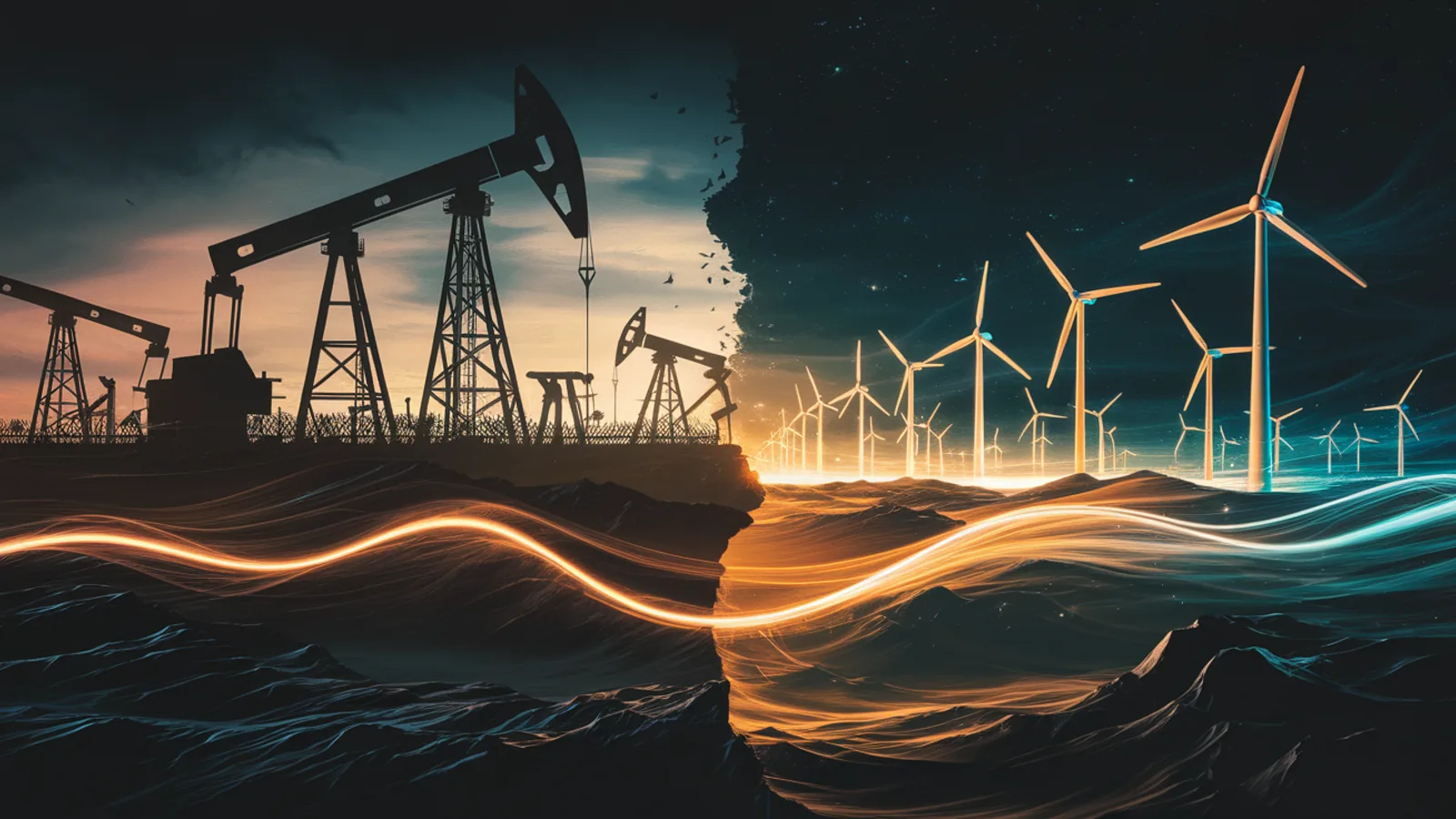
The energy transition refers to the global shift from fossil fuels to renewable energy sources, impacting everything from power generation to transportation.
What is Energy Transition
Energy transition is the process of moving from a carbon-intensive energy system based on fossil fuels to a low-carbon system based on renewable energy sources. This shift is critical to mitigate climate change and reduce greenhouse gas emissions. It encompasses the transformation of electricity generation, transportation, heating, and industrial processes. The transition involves not only the development of new technologies such as solar and wind power but also the integration of these technologies into existing energy systems and infrastructures.
How Energy Transition Works
The mechanics of energy transition involve several key components: increasing the share of renewable energy in the energy mix, improving energy efficiency, and reducing reliance on fossil fuels. This includes the installation of solar panels and wind turbines, the development of battery storage solutions to manage intermittent renewable energy supply, and the electrification of transportation through electric vehicles. Additionally, energy transition involves the modernization of the electricity grid to accommodate the two-way flow of power and the integration of smart grid technologies.
Key Players in Energy Transition
The key players in the energy transition include governments, which set policies and regulations to encourage the adoption of renewable energy; multinational corporations, which invest in and develop new technologies; and smaller companies, which often drive innovation in specific areas. Financial institutions also play a crucial role by providing capital for renewable energy projects. International organizations, such as the International Energy Agency (IEA), provide guidance and analysis on the global energy transition.
Central Debates in Energy Transition
One of the central debates in energy transition is the pace at which it should occur. Some argue for a rapid transition to mitigate the worst effects of climate change, while others worry about the economic and social impacts of a swift shift away from fossil fuels. The debate also includes the role of nuclear power and natural gas as transitional fuels, and the need for a just transition that supports workers in industries affected by the shift. The affordability and scalability of renewable energy technologies are also key points of discussion.
Current State of Energy Transition
As of now, the global energy transition is well underway, with renewable energy capacity increasing and costs decreasing. According to the IEA, renewable energy is set to overtake coal as the largest source of electricity by the mid-2020s. However, the pace of transition varies significantly across regions, with Europe and parts of Asia leading the way. The recent developments, such as the deployment of a 22-megawatt solar power plant in Zambia, highlight the progress in integrating renewable energy into national grids. Despite these advancements, challenges remain, including the need for further technological innovation, policy support, and investment.
What to Watch in Energy Transition
Looking ahead, several factors will shape the future of energy transition. These include technological advancements that could make renewable energy even more efficient and affordable, policy decisions that could accelerate or slow the transition, and market forces that could influence the adoption of new energy technologies. International cooperation will also be crucial, especially in the context of global climate agreements. Additionally, the energy transition's impact on national security and the geopolitical landscape, as seen with the discussions on nuclear deterrence and LNG supply, will be significant.
Frequently asked questions
Why is energy transition important?
Energy transition is crucial for mitigating climate change by reducing greenhouse gas emissions and decreasing reliance on fossil fuels.
What are the main challenges in energy transition?
Challenges include the pace of technological innovation, policy support, investment, and the need for a just transition for workers in carbon-intensive industries.
How does energy transition impact the economy?
Energy transition can create new industries and jobs while potentially disrupting traditional energy sectors, leading to both economic opportunities and challenges.
What role does renewable energy play in energy transition?
Renewable energy, such as solar and wind power, is central to energy transition as it provides a low-carbon alternative to fossil fuels for electricity generation.
What is the global status of energy transition?
Globally, energy transition is progressing with increasing renewable energy capacity, but the pace varies by region, with some leading the way while others lag behind.
Sources & further reading
- Norway joins France’s nuclear deterrence club Politico
- NRDC solar plant injects 22 megawatts to national grid Lusaka Times
- Recycling could meet half of Europe’s critical mineral needs by 2050 Climate Change News