 TOPIC
TOPIC
Semiconductors: The Building Blocks of Modern Technology
Semiconductors are crucial for technology; understand their role, key players, and the geopolitical implications of global supply chains.
What Are Semiconductors and Why They Matter
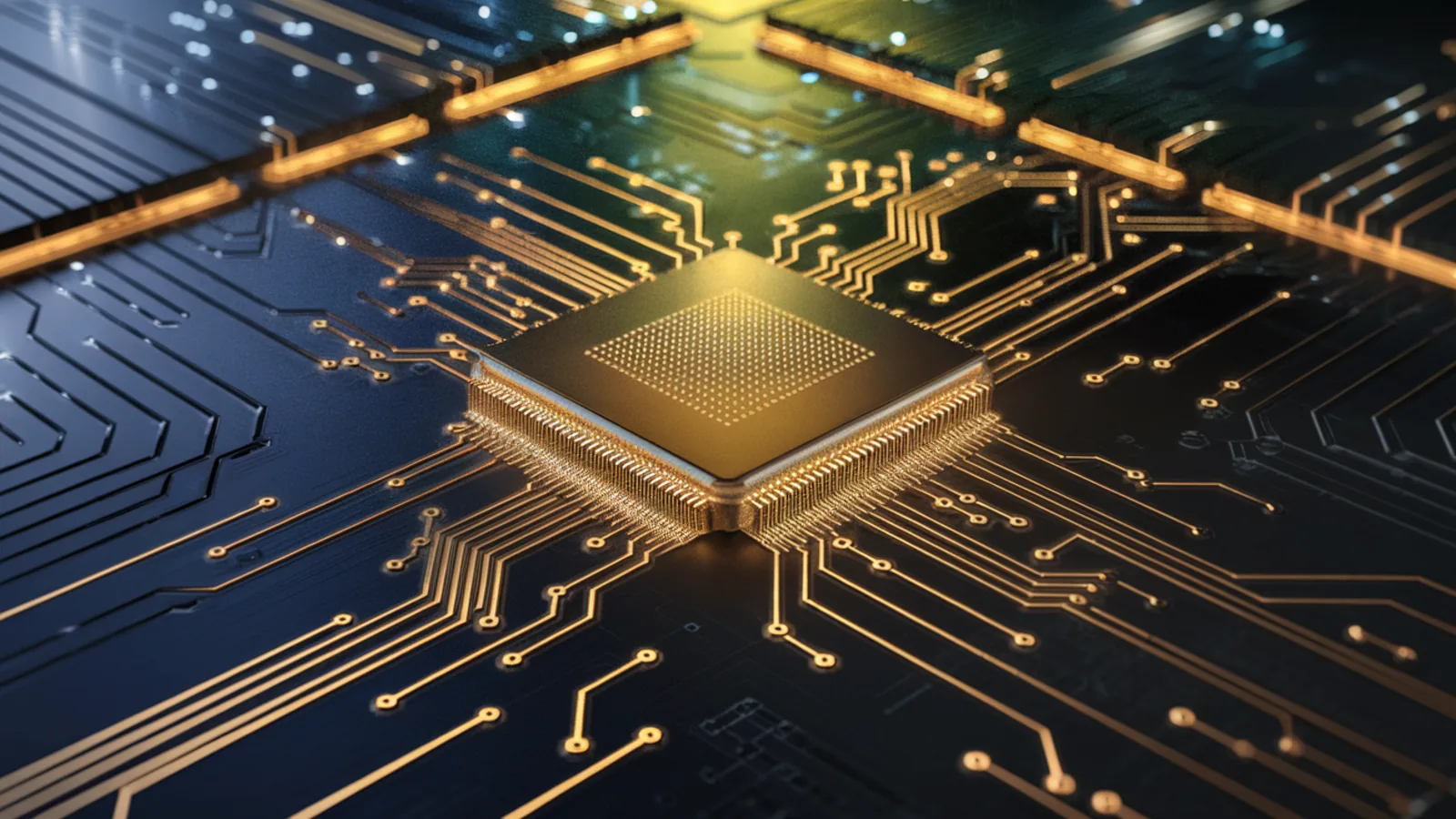
Semiconductors are materials, typically silicon-based, that can conduct electricity under certain conditions but not in others, making them the foundation of modern electronics. They are the building blocks for microchips or integrated circuits that power a vast array of devices, from smartphones and computers to cars and advanced weapons systems. Semiconductors are essential because they enable the processing and transmission of information, driving innovation in computing, communication, and artificial intelligence.
The importance of semiconductors is underscored by their ubiquity in contemporary life and their strategic significance in economic and national security contexts.
How Semiconductors Are Made and Work
Semiconductor manufacturing involves highly complex processes. It begins with a silicon wafer, which is then etched with billions of transistors through photolithography. These transistors, which can amplify or switch electronic signals and electrical power, are the basic building blocks of microchips. The manufacturing process requires extreme precision and cleanliness, with facilities known as fabs costing billions to build and operate.
The functionality of semiconductors is based on their ability to control the flow of electrical current. In digital devices, they process information as binary data (0s and 1s), which is executed by microprocessors that rely on semiconductor components. Advances in semiconductor technology have enabled faster, more efficient, and more powerful devices.
Key Players in the Semiconductor Industry
The semiconductor industry is global and highly interconnected. Key players include companies like Intel, Samsung, TSMC, and NVIDIA. Intel, based in the United States, has been a historical leader in semiconductor manufacturing. TSMC, or Taiwan Semiconductor Manufacturing Company, is a major foundry that produces semiconductors for a variety of customers, including Apple and NVIDIA.
Companies like ASML produce crucial equipment for the photolithography process, highlighting the interdependence of different nations and companies in the semiconductor supply chain. The industry is characterized by both competition and collaboration, with significant investments in research and development to push the boundaries of technology.
Central Debates and Tensions in the Semiconductor Industry
One central debate revolves around the balance between innovation and access. While companies compete to create the most advanced semiconductors, there's a concurrent need to make these technologies accessible to a broader range of devices and users. Another tension is the environmental impact of semiconductor manufacturing, which is energy-intensive and requires significant water resources.
Geopolitically, the industry is fraught with tension, especially regarding trade, export controls, and national security. The US and China are at the center of this, with the US imposing export controls to limit China's access to the most advanced semiconductor technologies, which has broad implications for global technology development and supply chain stability.
Current State of Play and Future Outlook
The current state of the semiconductor industry is marked by a global supply chain crisis that has highlighted its fragility and the need for diversification. The pandemic has exacerbated these issues, leading to a global chip shortage that has impacted various industries.
Looking ahead, the industry is expected to continue investing in advanced node technologies, which are becoming increasingly challenging and expensive to develop. There's also a growing focus on specialized semiconductors for AI and quantum computing applications. Governments around the world are taking notice, with initiatives like the CHIPS Act in the US aiming to boost domestic production and maintain a competitive edge.
Frequently asked questions
What is a semiconductor?
A semiconductor is a material that can conduct electricity under certain conditions but not in others, typically made from silicon, and forms the basis for microchips and transistors in electronic devices.
Why are semiconductors important?
Semiconductors are crucial as they form the backbone of modern electronics, enabling the processing and transmission of information and driving innovation in computing, communication, and AI.
Who are the major players in the semiconductor industry?
Key players include Intel, Samsung, TSMC, and NVIDIA. TSMC is a major foundry, while companies like ASML produce essential equipment for semiconductor manufacturing.
What is the geopolitical significance of semiconductors?
Semiconductors are a point of tension between major powers like the US and China, with export controls and supply chain issues highlighting their strategic importance in global technology development and national security.
What is the current state of the semiconductor industry?
The industry is currently dealing with a global supply chain crisis and a chip shortage impacting various sectors. There's a push for advanced node technologies and specialized semiconductors for AI and quantum computing.
Sources & further reading
- In more good news for Amazon, Snowflake signs $6B deal with AWS for AI CPU chips techcrunch.com
- Huawei's ‘Chip Queen’ Throws Down the Gauntlet wired.com
- US stocks today: Dow posts closing record high, S&P 500, Nasdaq muted as AI rally pauses economictimes.indiatimes.com