Good News · 1 November 2026

Good News for 1 November 2026

Civilians from Russian-occupied Oleshky reached Ukrainian-held territory in a rescue operation under a rare localized truce, and scientists reported a gene-therapy breakthrough led by an AI agent.

7 stories · 4 categories · about 2 minute read

The strongest news of the day is human: residents of Oleshky, a city under Russian occupation, crossed into Ukrainian-held territory during a US-brokered localized ceasefire. One report describes a man seeing his wife for the first time in 1,711 days. It is a limited, temporary pause rather than a settlement, but the people evacuated are safe and families were reunited.

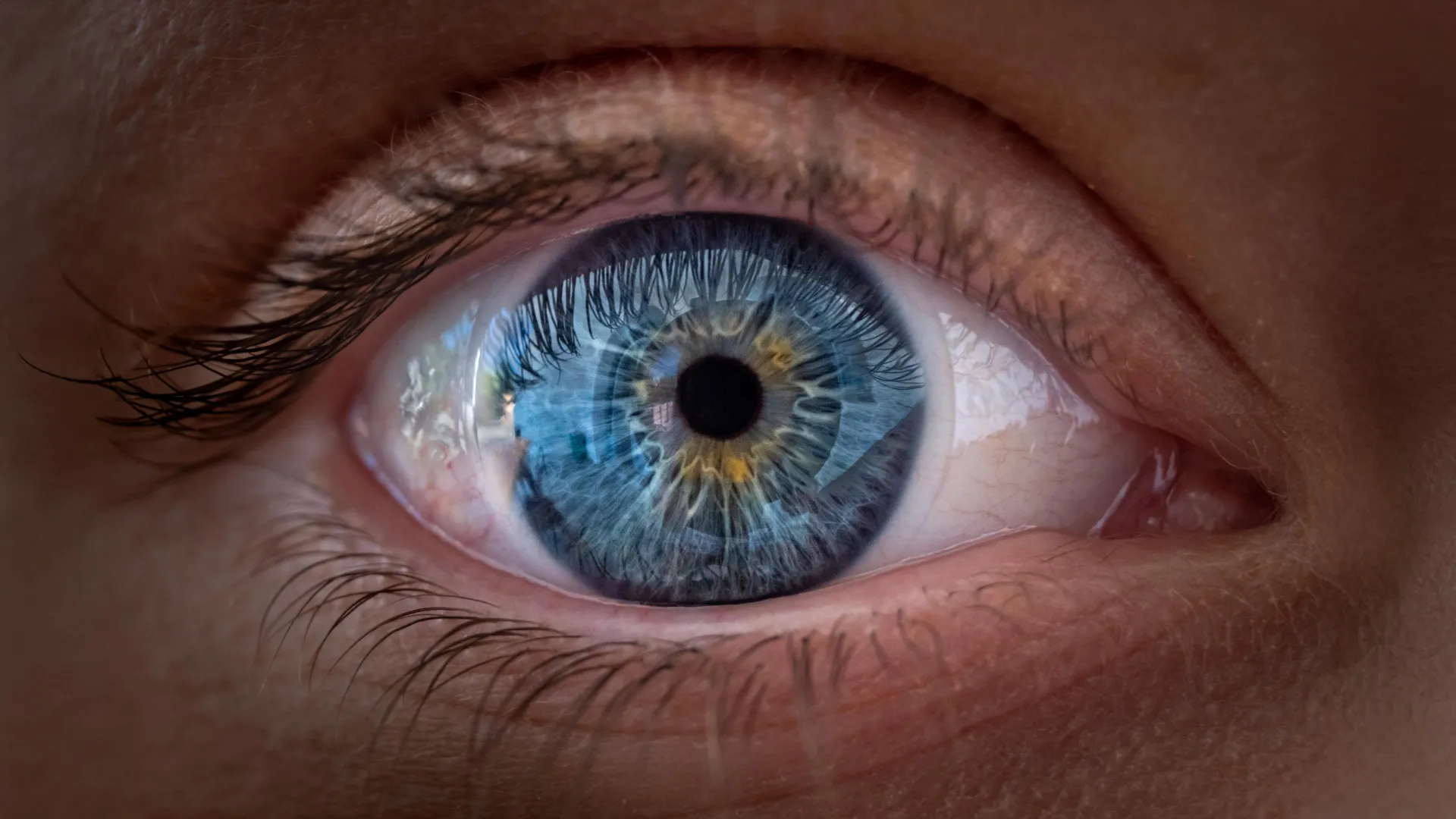
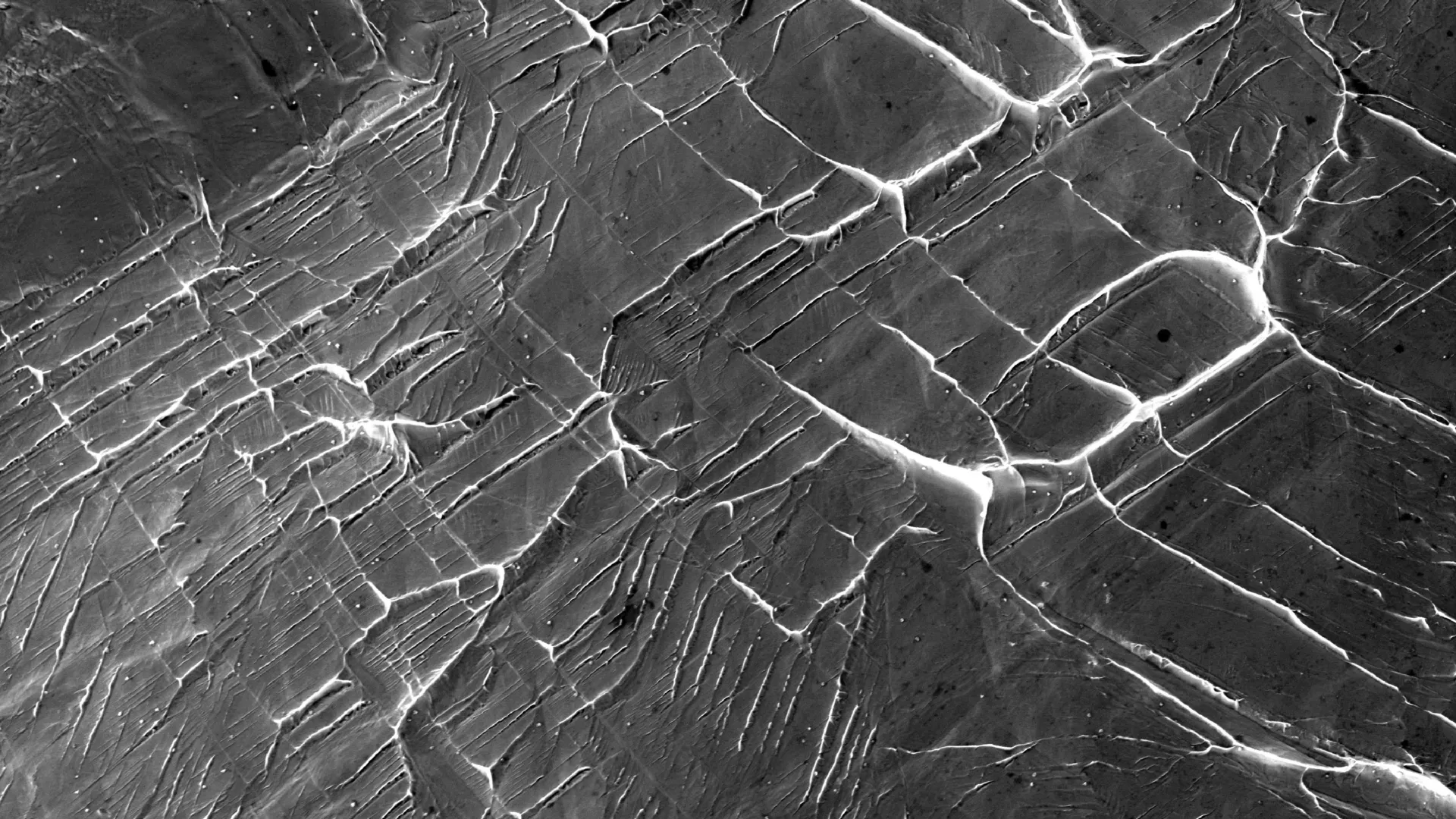
The rest of the day's progress came from research and cultural recovery. A biotech startup had an AI agent choose a gene therapy and inject it into a live mouse's brain. Johns Hopkins researchers found a process that helps the human eye develop sharp vision before birth, and other scientists explained how certain metals resist cracking at -424°F. A 130-year-old building in Cairo and a farmhouse in Spain are being restored.

Worth watching next: whether the Oleshky truce can be repeated for other occupied towns, and how far the mouse gene-therapy result carries into treatments for people. Not everything this week was clear-cut. The COP17 biodiversity deal, which asks wealthy emerging economies to help fund conservation, is described as fragile and was left out, as was a day's worth of sport and routine business news.

The stories

ShareCopy linkShare on XEmail

Where coverage ran most positive

Which countries had the most upbeat coverage in the 4 hours of GDELT event coverage this report read, by GDELT's average tone score (higher is more positive).

Positive-tone coverage ran highest in Nigeria (tone 4.96 across 93 events), followed by India (4.23) and Turkey (3.82). The United States had 71 events at a tone of 3.09.

See the country table
CountryAverage toneEvents
Nigeria4.9693
India4.2351
Turkey3.8233
Norway3.2442
United States3.0971
South Korea2.2127
Azerbaijan2.1922
Saudi Arabia2.1631

GDELT tone runs roughly from -10 to +10. Countries need at least 15 mapped events to appear. Country names come from the geocoded place, never from GDELT's two-letter codes.

How this is made. A keyword shortlist of the last 24 hours of the Corvus corpus plus positive-tone GDELT event coverage, read by a model that keeps only genuinely good news. Links and counts come from the shortlist, never from the model. 7 stories across 4 categories, chosen from 73 shortlisted of 1953 stories in the last 24 hours and 40 positive-tone GDELT links. Written by claude-sonnet-5-5; no person edits it before publication. Event tone from The GDELT Project (gdeltproject.org). gdeltproject.org

Each headline links to the original reporting. The summaries are a model's reading of a headline and its feed summary, so open the source before relying on a detail.