Lake Baikal is recovering after decades of decline
The world's largest freshwater lake by volume, holding around 20% of the world's surface freshwater, is reported to be recovering after decades of decline.
phys.org · Global
Good News · 15 November 2026
Lake Baikal, the world's largest freshwater lake by volume, is recovering after decades of decline.
The strongest items today are about recovery and early detection. Lake Baikal, which holds about a fifth of the world's surface freshwater, is reported to be recovering after decades of decline. Stanford researchers found that hidden patterns of brain activity can predict Alzheimer's risk years before memory problems appear, which could allow earlier warning than traditional biomarkers. A Yale analysis of 51 studies found that certain prescription drugs, healthy diets and exercise measurably slow biological aging.
The rest is smaller and more practical. A new method turns used coffee grounds into biodiesel while leaving the leftover material usable for other fuels and chemicals. Vineyards are finding that healthy soils, native plants and fewer chemicals help them adapt, and that this can be good for business. All 180 people aboard a docked river cruise ship in New Orleans survived after a tanker hit it, and the Yazidi Rescue Office reports 3,595 abductees saved since 2014. In Alaska, Democrat Jonathan Kreiss-Tomkins was projected as governor, a result some will welcome and others will not, so it is left out here.
Worth watching: whether the Baikal recovery holds, whether the Alzheimer's signals are confirmed in larger studies, and how the 2,822 Yazidis still missing are accounted for. Panama's quake recovery, with more than 2,700 people still in shelters, is a reminder that rebuilding takes months.
The world's largest freshwater lake by volume, holding around 20% of the world's surface freshwater, is reported to be recovering after decades of decline.
phys.org · Global
Stanford researchers found that patterns of brain activity predict Alzheimer's risk years before memory problems appear, potentially giving an earlier warning than traditional biomarkers.
sciencedaily.com · Global
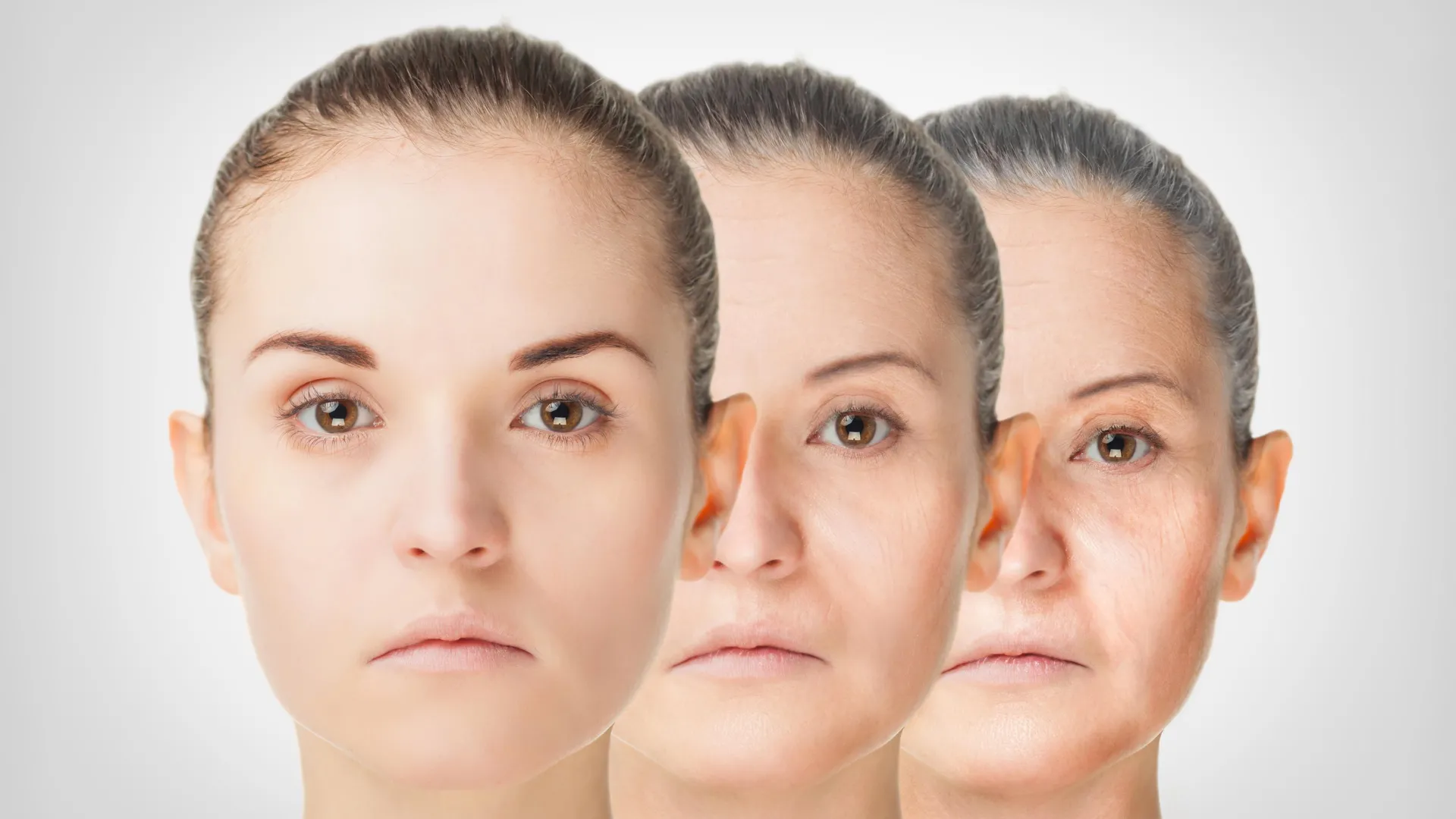
A review of 51 studies found that certain prescription drugs, healthy diets and exercise can measurably slow biological aging, while popular anti-aging supplements appear largely ineffective, so people can focus on what works.
sciencedaily.com · Global
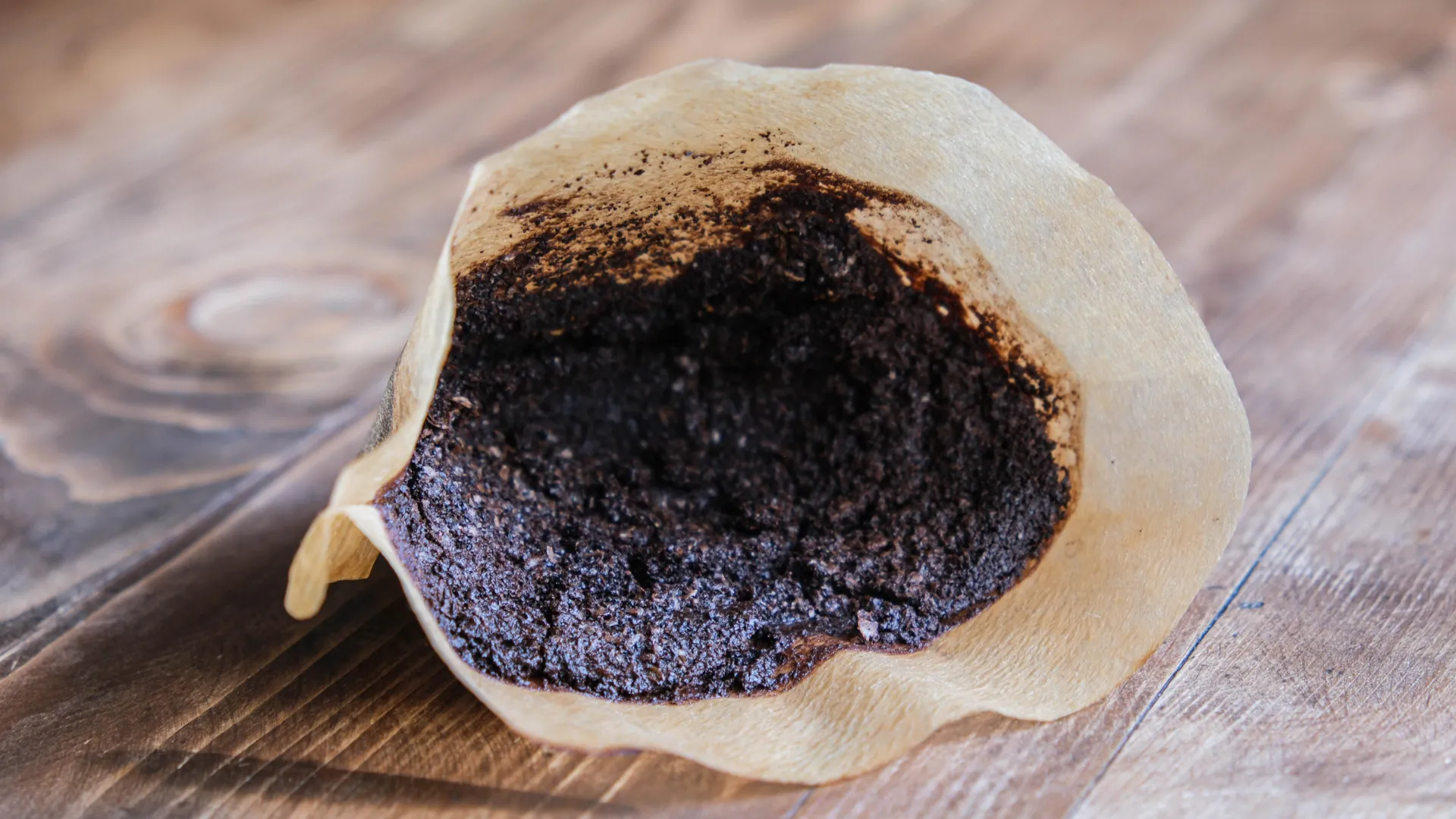
Scientists developed an efficient way to turn used coffee grounds into a potential biodiesel source while preserving the leftover material for other renewable fuels and valuable chemicals.
sciencedaily.com · Global
Everyone aboard survived the collision on the Mississippi River, with about 180 lives saved in a chaotic river rescue.
france24.com · Europe
The Office for the Rescue of Abducted Yazidis reports that 3,595 people abducted by ISIS have been saved, though 2,822 remain missing.
iraqinews.com · Middle East / Africa
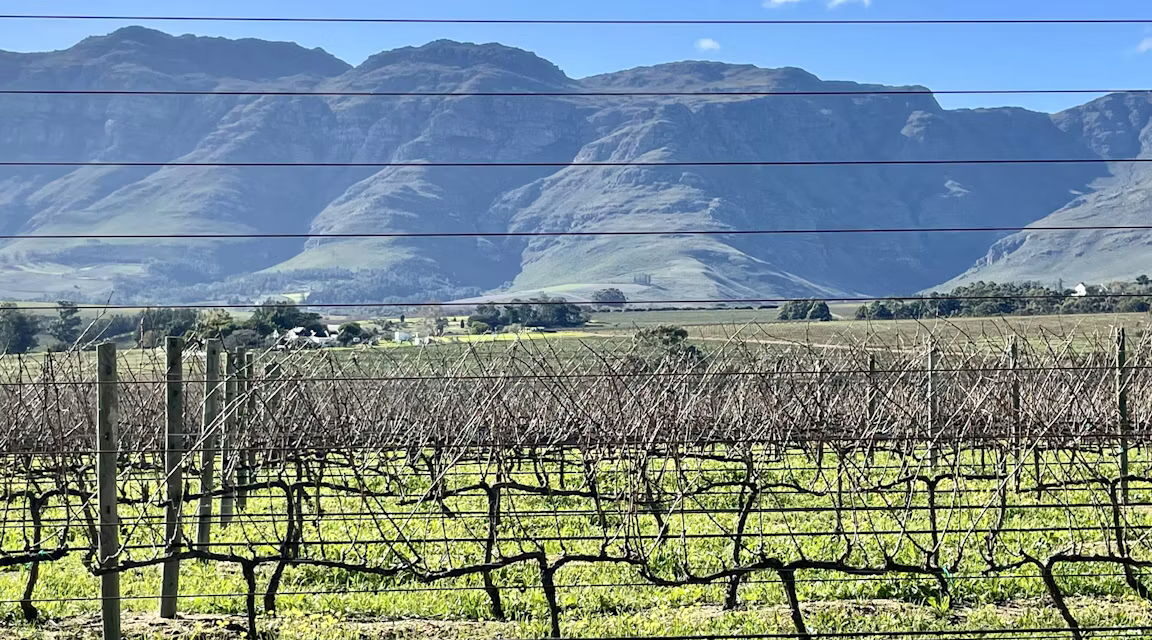
Vineyards using healthy soils, native plants and fewer chemicals are adapting better while finding that conservation is good for business.
arstechnica.com · US
University of Missouri researchers found that older adults who followed consistent daily schedules reported less pain and depression, pointing to a simple, free habit.
sciencedaily.com · Global
Which countries had the most upbeat coverage in the 4 hours of GDELT event coverage this report read, by GDELT's average tone score (higher is more positive).
Positive-tone coverage was most pronounced in Morocco (tone 4.14, but from a single outlet) and Nigeria (3.96 across 118 events and 25 outlets), followed by Guatemala at 3.30. The United States had the most events among the top countries, with 126 at a tone of 2.76.
| Country | Average tone | Events |
|---|---|---|
| Morocco | 4.14 | 17 |
| Nigeria | 3.96 | 118 |
| Guatemala | 3.3 | 33 |
| Thailand | 3.02 | 21 |
| Uzbekistan | 2.81 | 21 |
| United States | 2.76 | 126 |
| Pakistan | 2.72 | 57 |
| Philippines | 2.5 | 27 |
GDELT tone runs roughly from -10 to +10. Countries need at least 15 mapped events to appear. Country names come from the geocoded place, never from GDELT's two-letter codes.
How this is made. A keyword shortlist of the last 24 hours of the Corvus corpus plus positive-tone GDELT event coverage, read by a model that keeps only genuinely good news. Links and counts come from the shortlist, never from the model. 8 stories across 6 categories, chosen from 76 shortlisted of 1952 stories in the last 24 hours and 40 positive-tone GDELT links. Written by claude-sonnet-5-5; no person edits it before publication. Event tone from The GDELT Project (gdeltproject.org). gdeltproject.org
Each headline links to the original reporting. The summaries are a model's reading of a headline and its feed summary, so open the source before relying on a detail.