Phase 2 trial finds an eczema pill may match injectable Dupixent-like relief
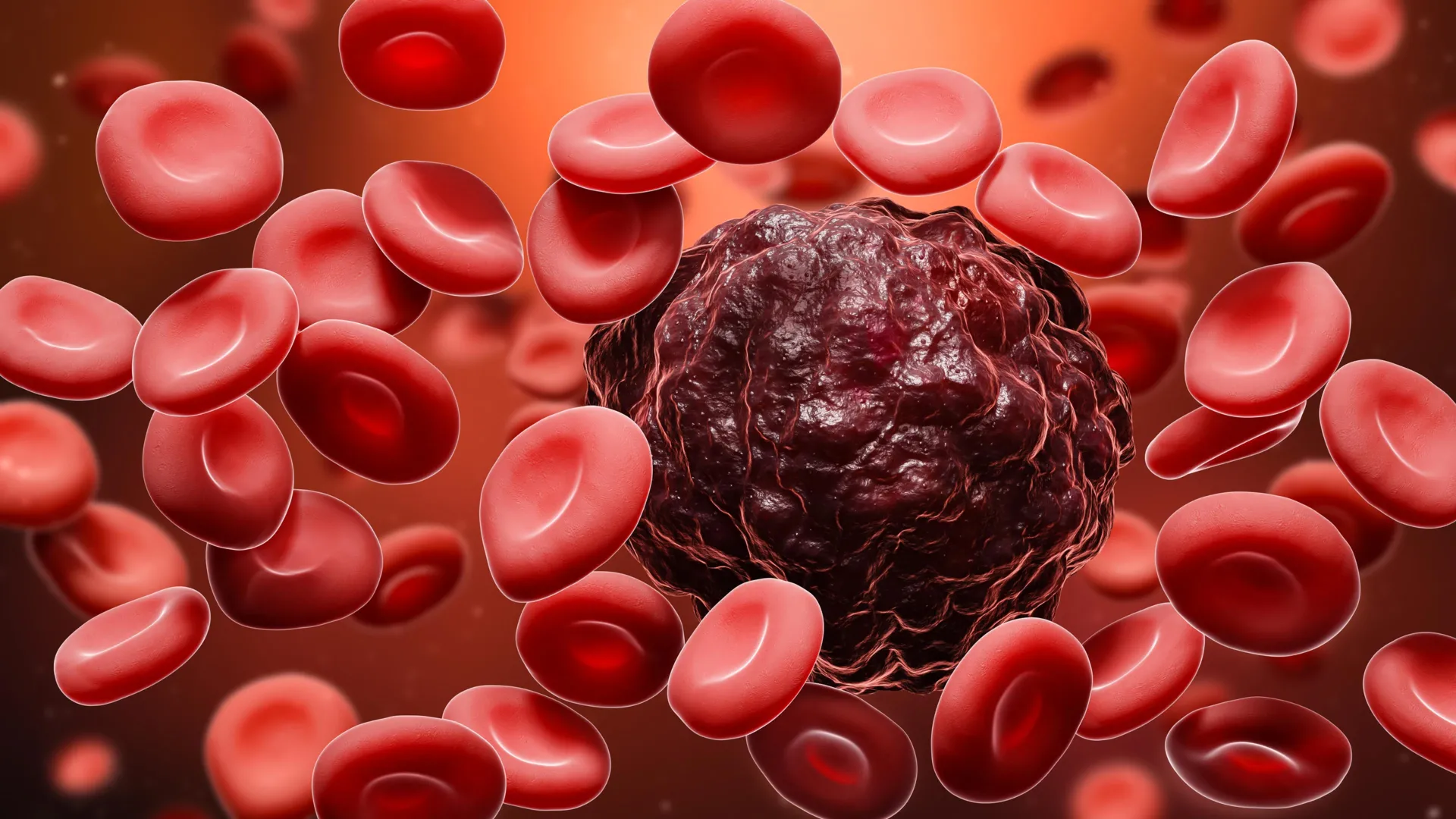
A 244-patient Phase 2 trial found that Kymera Therapeutics' candidate could give eczema patients relief similar to Dupixent in pill form.
statnews.com · US
Good News · 24 November 2026
A pill-based eczema treatment shows strong Phase 2 results, while clean water reaches families in north-east Nigeria and a ceasefire lets civilians leave Oleshky.
The strongest items today are about access and relief. A 244-patient Phase 2 trial found that an oral drug could give eczema patients Dupixent-like relief, which would matter to people who now depend on injections. In north-east Nigeria, a UN humanitarian report describes clean water being brought closer to people who used to spend much of their day searching for it. A ceasefire in Oleshky, Ukraine, allowed civilians to be evacuated, though one analysis calls it an ad hoc political arrangement rather than a reliable humanitarian solution.
The science stories are about understanding disease earlier and more precisely. Researchers found that acute myeloid leukemia can begin developing more than 50 years before diagnosis, and a separate team identified a possible molecular brake in Barrett's esophagus, a condition that raises the risk of esophageal cancer. Both are early-stage findings, not treatments, but they point to earlier detection and prevention. On the energy side, Australia and South Korea signed a clean energy deal meant to move a coal and gas relationship toward low-carbon trade.
Beyond those, a few smaller items round out the day: the UK's first deaf-blind doctor has graduated from medical school, Catherine, Princess of Wales, who is in remission, is documenting life with cancer in a BBC film, and an ICE-SAR team rescued an ewe and two lambs from a flooded cave in Iceland. Several of the day's wins are announcements or early results, so the follow-through is what to watch: whether the eczema pill advances to later-stage trials, and whether the Oleshky evacuation holds and is repeated.
A 244-patient Phase 2 trial found that Kymera Therapeutics' candidate could give eczema patients relief similar to Dupixent in pill form.
statnews.com · US
A humanitarian report describes clean water now reaching residents who for years spent much of their day finding it.
unocha.org · Global
The finding that the first cancer-driving mutation can appear decades earlier opens the possibility of much earlier detection of an aggressive blood cancer.
sciencedaily.com · Global
Case Western Reserve researchers made a breakthrough in understanding Barrett's esophagus, a condition that sharply raises the risk of esophageal adenocarcinoma.
medicalxpress.com · Global
The deal links Australia's renewable resources with Korean industries' clean energy demand, shifting a relationship built on coal and gas.
climatechangenews.com · Global
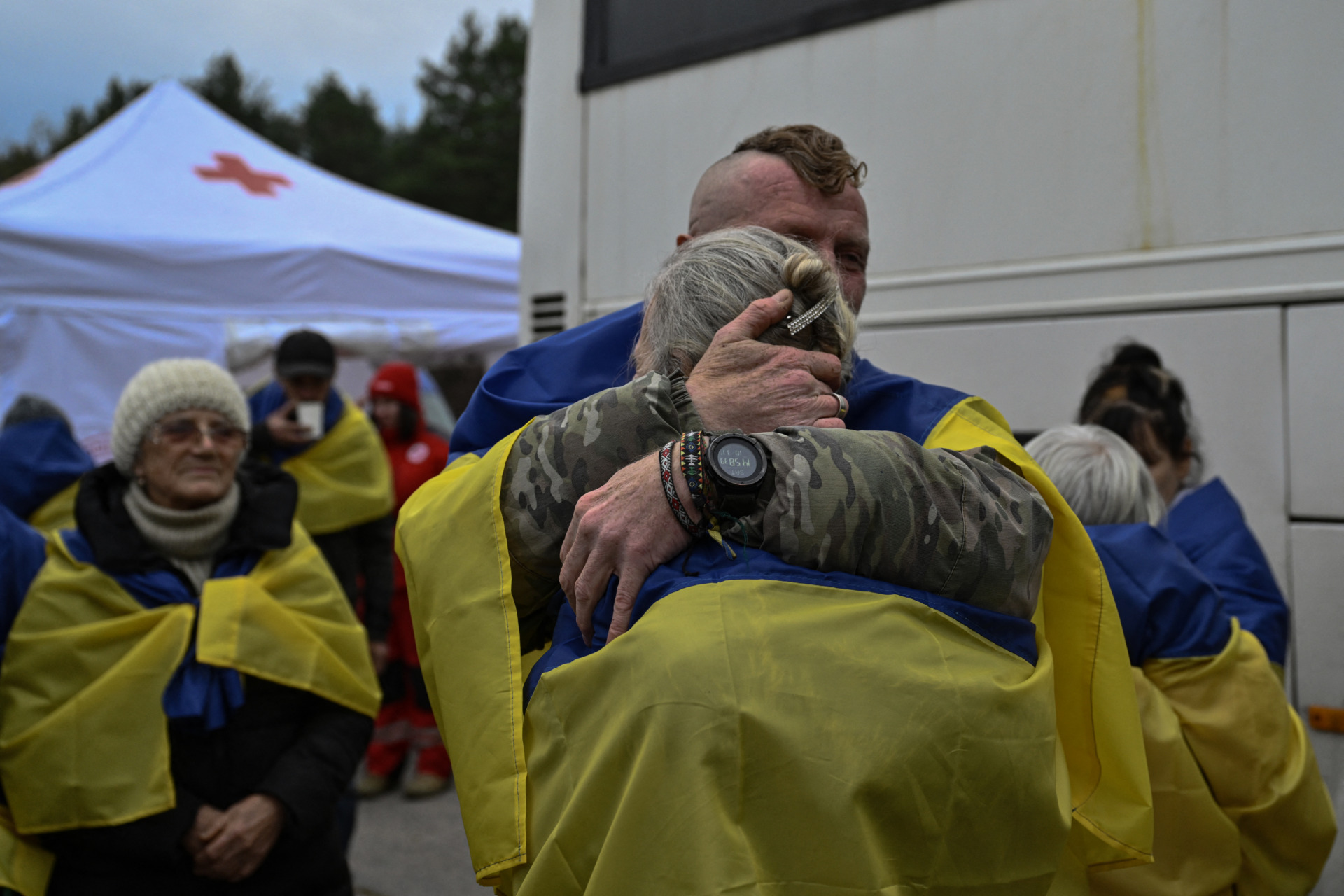
A ceasefire made it possible to evacuate civilians from Oleshky, though the analysis cautions it was an ad hoc arrangement rather than a reliable humanitarian solution.
justsecurity.org · Global
At 32, she graduated from medical school and began her foundation year, opening a path in medicine that had not been taken before in the UK.
bmj.com · Europe
An ICE-SAR team brought the three animals to safety after rising water trapped them in a cave by the Hamarsa river.
icelandreview.com · Europe
Catherine, who is in remission, speaks openly about the effects of cancer in a film due this month, which may help others facing the illness.
nytimes.com · US
Which countries had the most upbeat coverage in the 4 hours of GDELT event coverage this report read, by GDELT's average tone score (higher is more positive).
Positive-tone coverage ran highest in New Zealand (tone 4.59), Ethiopia (3.95) and Nepal (3.46), with the United Kingdom at 3.0 and the United States at 1.97.
| Country | Average tone | Events |
|---|---|---|
| New Zealand | 4.59 | 22 |
| Ethiopia | 3.95 | 27 |
| Nepal | 3.46 | 76 |
| United Kingdom | 3 | 22 |
| Canada | 2.53 | 26 |
| India | 2.52 | 103 |
| Nigeria | 2.42 | 74 |
| United States | 1.97 | 48 |
GDELT tone runs roughly from -10 to +10. Countries need at least 15 mapped events to appear. Country names come from the geocoded place, never from GDELT's two-letter codes.
How this is made. A keyword shortlist of the last 24 hours of the Corvus corpus plus positive-tone GDELT event coverage, read by a model that keeps only genuinely good news. Links and counts come from the shortlist, never from the model. 9 stories across 6 categories, chosen from 72 shortlisted of 1955 stories in the last 24 hours and 40 positive-tone GDELT links. Written by claude-sonnet-5-5; no person edits it before publication. Event tone from The GDELT Project (gdeltproject.org). gdeltproject.org
Each headline links to the original reporting. The summaries are a model's reading of a headline and its feed summary, so open the source before relying on a detail.